

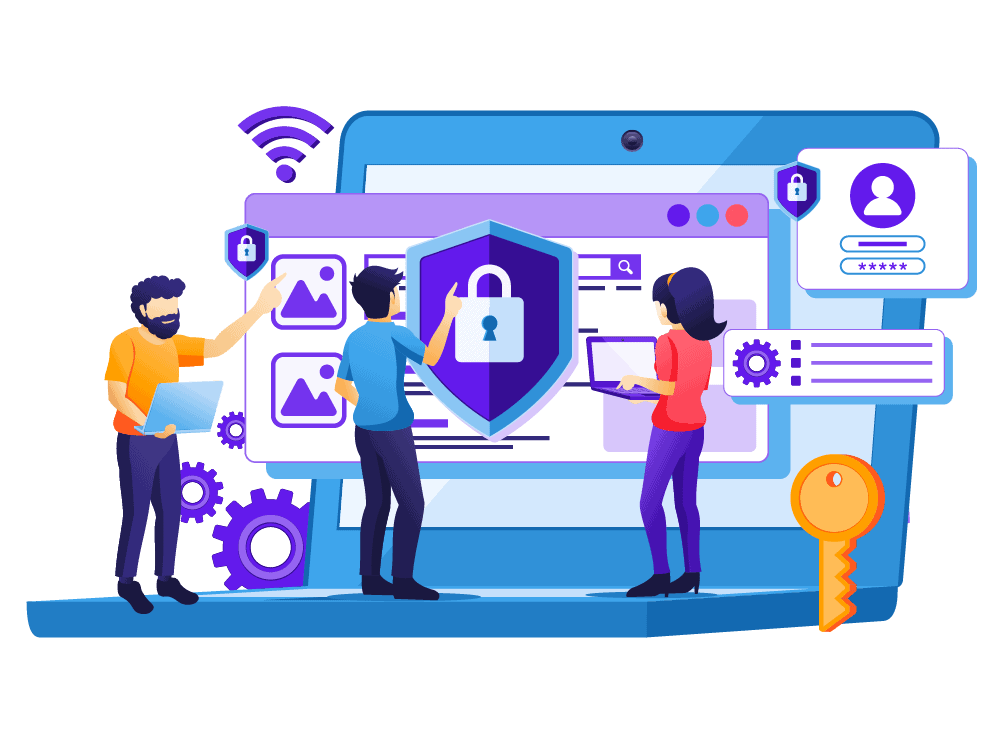
In today's digital age, protecting your organization from cyber threats is more important than ever. That's why our Cybersecuirty Awareness portal includes a powerful Phishing Simulation function.

Key Features
-

Real-world simulation
Our SPAM simulation function mimics real-world SPAM emails, giving your employees a realistic training experience.
-

Customizable scenarios
Choose from a range of SPAM scenarios, or create custom scenarios tailored to your specific business needs.
-

Immediate feedback
Employees receive immediate feedback on their responses to SPAM emails, helping them to quickly identify areas for improvement.
-

Comprehensive reporting
Track employee progress and receive detailed reports on the effectiveness of your SPAM training program.
-
User-friendly interface
Our platform is intuitive and user-friendly, so employees can easily access and complete their training materials. A user-friendly and engaging LMS can help to motivate employees to take their training and development seriously, improving their overall engagement with the company.

Request Demo
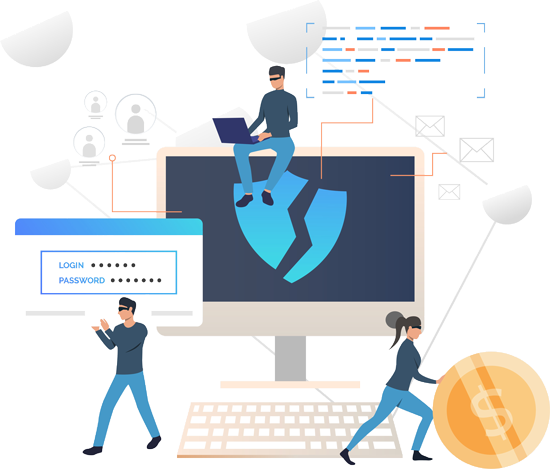
Our cutting-edge phishing simulation module is the perfect solution! Designed to mimic real-world phishing scenarios, our module offers comprehensive training for employees and helps identify areas of weakness in your organization's security.
Looking to protect your organization from cyber attacks and phishing attempts?
Our cutting-edge phishing simulation module is the perfect solution! Designed to mimic real-world phishing scenarios, our module offers comprehensive training for employees and helps identify areas of weakness in your organization's security.

Company benefits
Investing in a Learning Management System (LMS) portal can be a significant investment for any organization. However, the benefits of an LMS portal are numerous, and they can ultimately result in significant cost savings for your organization.
Here are a few ways in which an LMS portal can help your organization save money:
-
Reduced training costs
With an LMS portal, you can create and deliver training content online, reducing the need for in-person training sessions. This can result in significant cost savings on travel, accommodation, and materials. -

Time savings
An LMS portal allows your employees to access training content at their own pace and on their own time. This can reduce the amount of time that employees spend away from their work and increase productivity. -

Increased retention rates
By delivering training content in a more engaging and interactive format, an LMS portal can help to improve retention rates. This means that your organization will spend less money on re-training and remediation. -
Improved compliance
Compliance violations can be costly for organizations, resulting in fines and legal fees. With an LMS portal, you can easily track employee training and ensure that all employees are up-to-date on the latest regulations and policies, reducing the risk of compliance violations. -
Scalability
As your organization grows, so does your need for training and development. An LMS portal can easily scale to meet the needs of your organization, without requiring significant investments in infrastructure or additional staff.

What are the benefits of phishing simulations for companies?
Get in touch with us today to learn more about how our Portal can help you protect your business with its powerful Phishing Simulation function.



Frequently asked questions


Feel free to contact with us
To request a demo of our LMS portal, simply fill out the form below, and one of our representatives will contact you to schedule a time that works best for you. During the demo, we will walk you through our platform's features and functionality and answer any questions you may have.
[email protected]