
Key Features


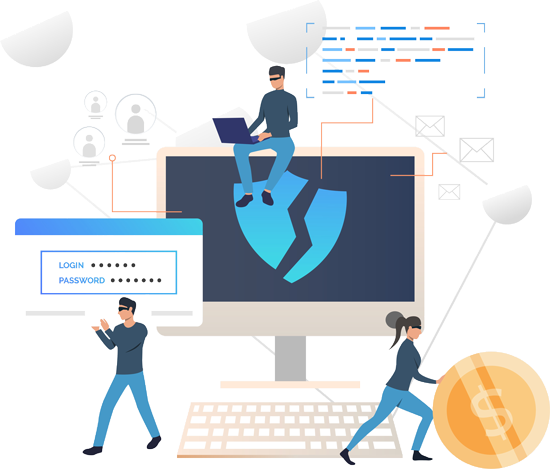
  • Real-world simulation

    Our SPAM simulation function mimics real-world SPAM emails, giving your employees a realistic training experience.


  • Customizable scenarios

    Choose from a range of SPAM scenarios, or create custom scenarios tailored to your specific business needs.


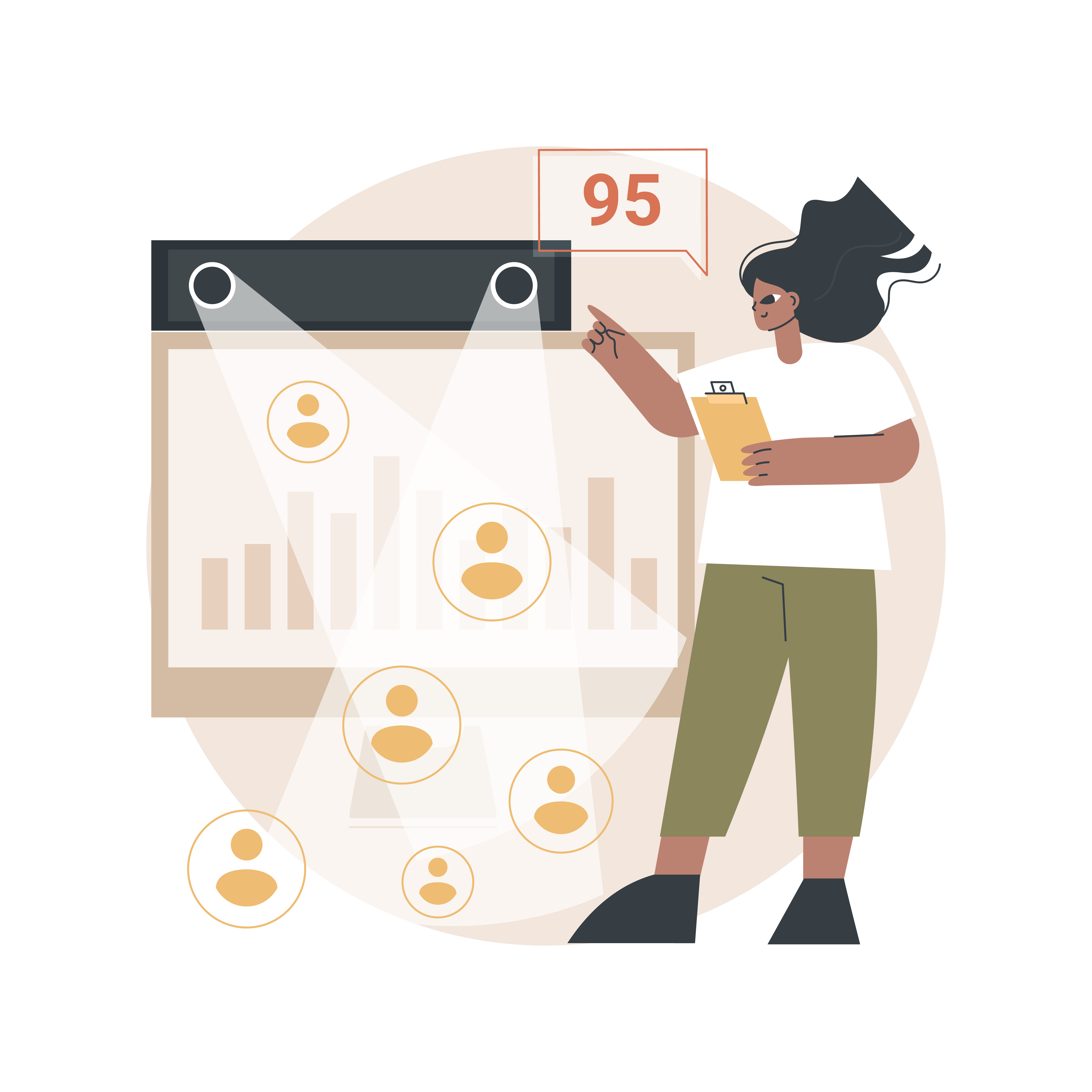
  • Immediate feedback

    Employees receive immediate feedback on their responses to SPAM emails, helping them to quickly identify areas for improvement.


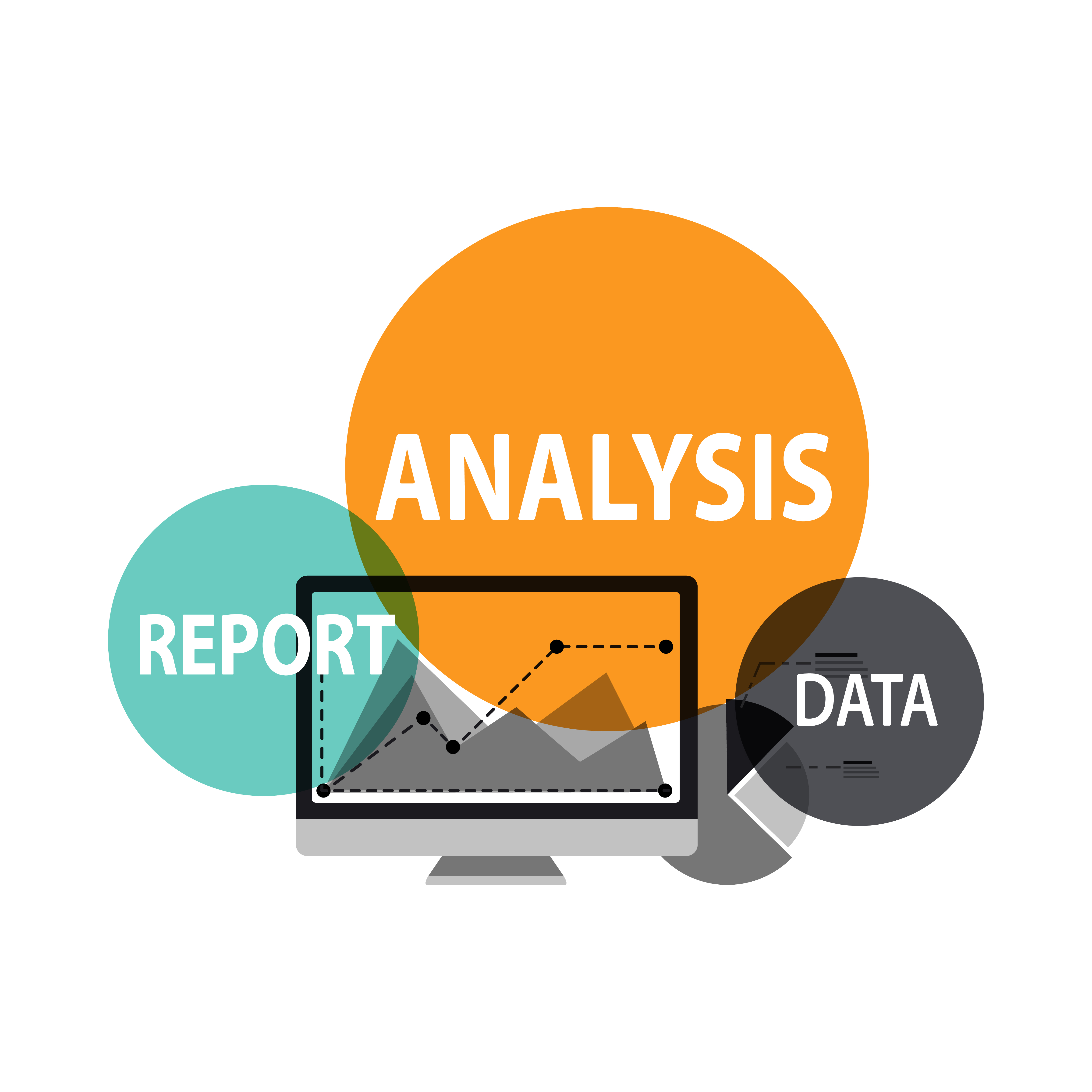
  • Comprehensive reporting

    Track employee progress and receive detailed reports on the effectiveness of your SPAM training program.


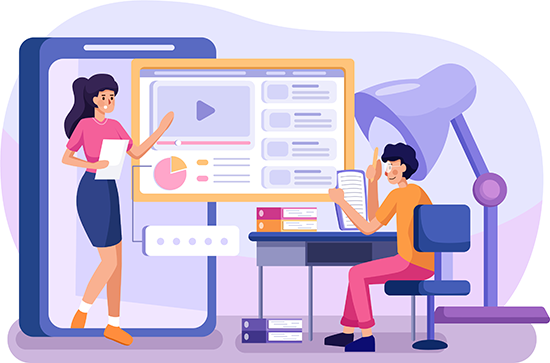
  • User-friendly interface

    Our platform is intuitive and user-friendly, so employees can easily access and complete their training materials. A user-friendly and engaging LMS can help to motivate employees to take their training and development seriously, improving their overall engagement with the company.


Request Demo

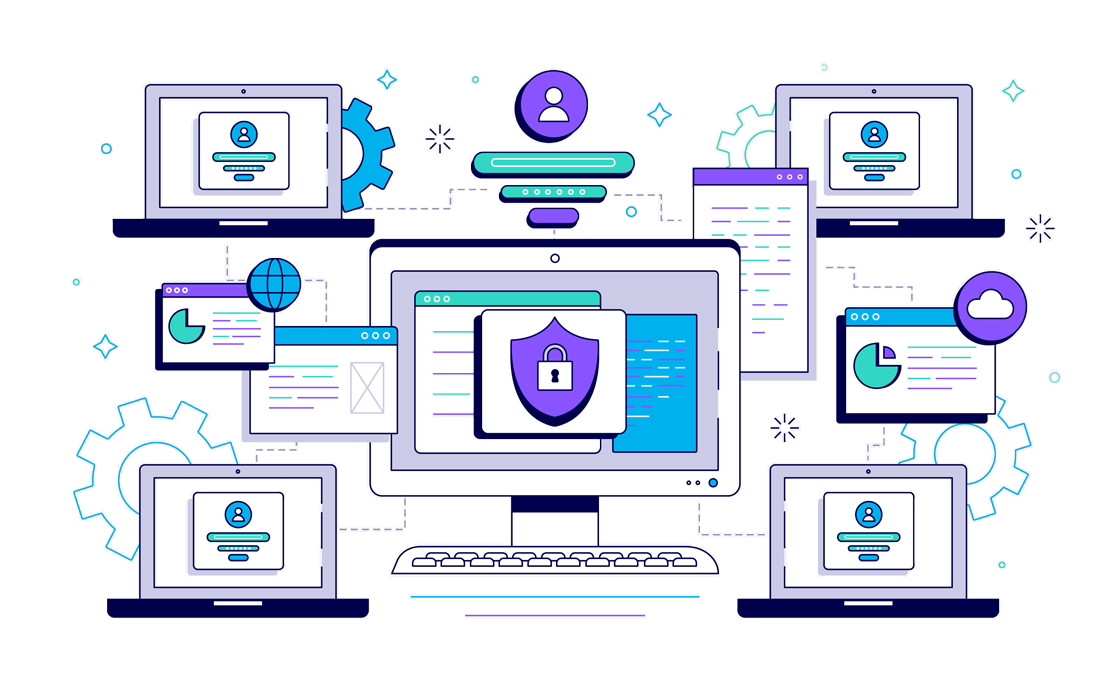
Our cutting-edge phishing simulation module is the perfect solution! Designed to mimic real-world phishing scenarios, our module offers comprehensive training for employees and helps identify areas of weakness in your organization's security.

Looking to protect your organization from cyber attacks and phishing attempts?

Our cutting-edge phishing simulation module is the perfect solution! Designed to mimic real-world phishing scenarios, our module offers comprehensive training for employees and helps identify areas of weakness in your organization's security.


Company benefits


Investing in a Learning Management System (LMS) portal can be a significant investment for any organization. However, the benefits of an LMS portal are numerous, and they can ultimately result in significant cost savings for your organization.

Here are a few ways in which an LMS portal can help your organization save money:


  • Reduced training costs

    With an LMS portal, you can create and deliver training content online, reducing the need for in-person training sessions. This can result in significant cost savings on travel, accommodation, and materials.
  • Time savings

    An LMS portal allows your employees to access training content at their own pace and on their own time. This can reduce the amount of time that employees spend away from their work and increase productivity.
  • Increased retention rates

    By delivering training content in a more engaging and interactive format, an LMS portal can help to improve retention rates. This means that your organization will spend less money on re-training and remediation.
  • Improved compliance

    Compliance violations can be costly for organizations, resulting in fines and legal fees. With an LMS portal, you can easily track employee training and ensure that all employees are up-to-date on the latest regulations and policies, reducing the risk of compliance violations.
  • Scalability

    As your organization grows, so does your need for training and development. An LMS portal can easily scale to meet the needs of your organization, without requiring significant investments in infrastructure or additional staff.

What are the benefits of phishing simulations for companies?

Get in touch with us today to learn more about how our Portal can help you protect your business with its powerful Phishing Simulation function.


Frequently asked questions


1 What is a Cybersecurity Awareness Training and Phishing Simulation Portal?
This is a dedicated digital environment crafted to educate team members about online security challenges and human-driven vulnerabilities. It equips users with practical knowledge and simulates real-world phishing scenarios to enhance their vigilance and response to deceptive digital threats.
2 What are the benefits of using such a portal?
This type of platform fortifies internal defense by increasing user alertness, reducing successful phishing attempts, and creating a more resilient organizational posture. It also enables automated simulations, precise tracking of behavioral patterns, and insights into areas requiring more focus.
3 How does the portal operate?
Administrators launch simulations that mimic deceptive messages. Users receive these emails in a natural workflow. Based on user reactions—whether they click, report, or ignore—the portal captures data, provides instant feedback, and tailors future sessions accordingly. Training modules can be assigned directly, reinforcing lessons after specific scenarios.
4 What types of training are included?
Training may cover areas such as password practices, safe browsing, email vigilance, mobile device security, social engineering awareness, and data protection essentials. Realistic phishing emails, scenario-based quizzes, and video-based lessons bring the content to life.
5 Can it be tailored to fit my organization’s requirements?
Absolutely. You can adjust training paths based on department risk levels, job roles, or past user performance. Brand elements, internal policies, custom attack scenarios, and specific user journeys can all be integrated to align with your unique operational environment.
6 Is it secure?
Yes, these portals often come with strong encryption, role-based access, and audit logs. All user data and behavioral analytics remain safeguarded, complying with data protection standards and internal governance expectations.
7 What does it cost?
Pricing varies based on user volume, simulation frequency, reporting depth, and integration needs. Some platforms offer subscription-based models, while others scale pricing with usage. A comparative review across vendors can guide you toward the right balance of capability and investment.
8 How can its impact be evaluated?
Impact can be assessed through user click rates during simulations, training completion metrics, response time to simulated threats, and reduction in actual security incidents. Over time, trend analysis can spotlight cultural shifts and growing digital vigilance.
9 What types of phishing scenarios can be simulated?
Simulations can replicate a variety of tactics—ranging from credential harvesting emails and malicious attachments to executive impersonation and urgent financial requests. These crafted scenarios mirror real-world threat patterns to test awareness in a controlled yet impactful setting.
10 How often should phishing simulations be conducted?
Frequency depends on organizational risk appetite and training goals, but a steady cadence—monthly or quarterly—is often recommended. Regular exposure ensures sustained awareness, while allowing time for analysis, learning reinforcement, and behavioral shift tracking.
11 Can phishing simulations be adapted for different departments or roles?
Yes, simulations can target specific groups based on function, access level, or risk profile. For example, finance teams might face invoice scams, while executives may receive CEO fraud attempts. This tailored approach enhances relevance and training effectiveness.
12 What happens if a user fails a phishing test?
If a user interacts with a simulated threat—such as clicking a link or submitting data—they’re typically redirected to a learning page or brief video. This immediate feedback reinforces the lesson in real time, turning a potential mistake into a moment of growth and reflection.

Feel free to contact with us


To request a demo of our LMS portal, simply fill out the form below, and one of our representatives will contact you to schedule a time that works best for you. During the demo, we will walk you through our platform's features and functionality and answer any questions you may have.

[email protected]